)
)
)
-
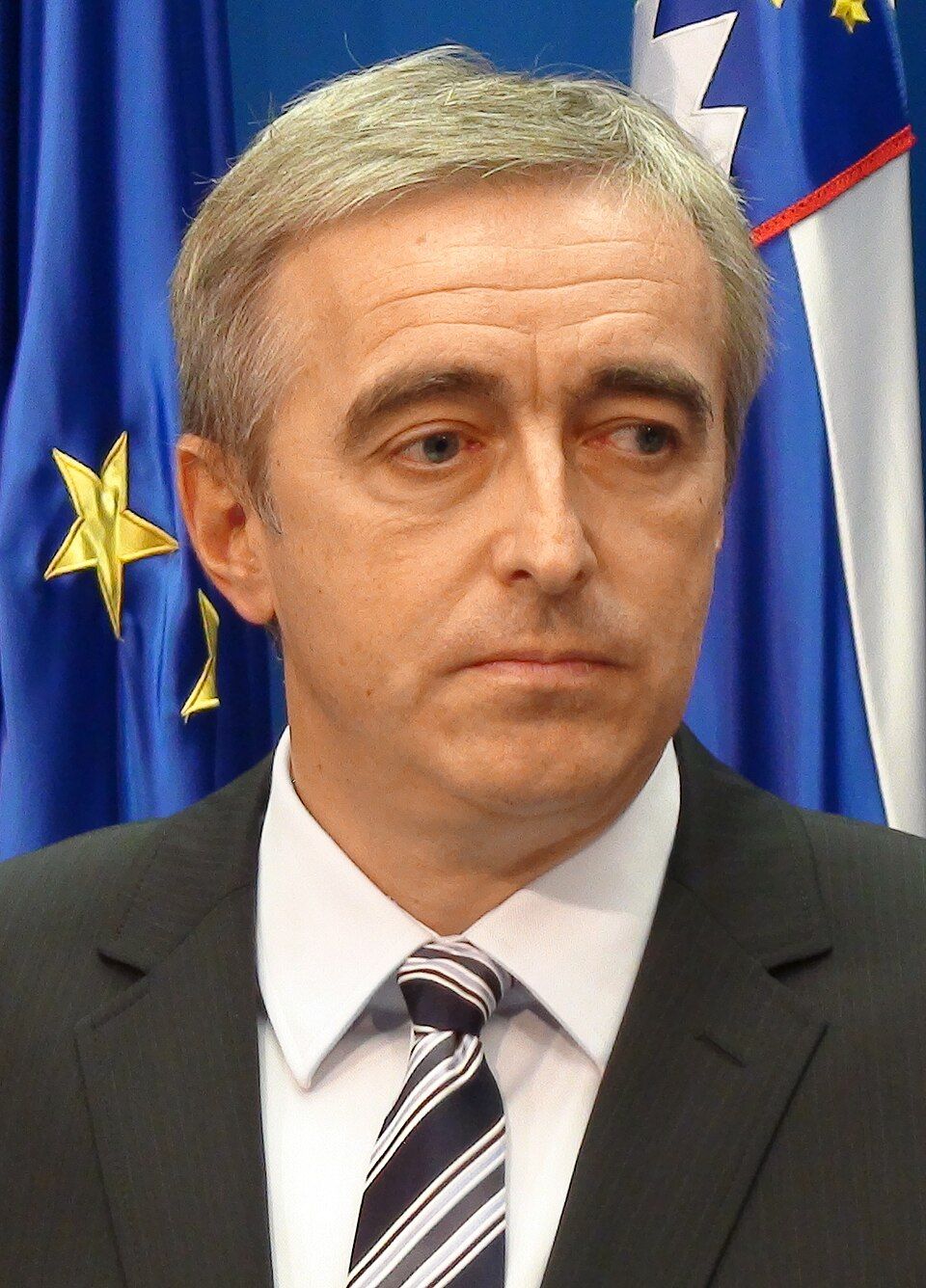
The Patent Mediation and Arbitration Centre opened in Ljubljana on 2 June 2026, with mediation services already live since 12 May and arbitration and expert determination services launching later in the year; the UPC has already made its first referral to mediation and, by January, there will have been enough time for precedent to be set. In this opening keynote, Aleš Zalar, PMAC Director, will set out how the Centre will operate in practice, what its FRAND best practice guidelines look like and where it sits alongside WIPO, the ICC and existing ad hoc options.
Speakers
-
Join us for candid insights from judges across the UPC's most active divisions. They will address topics like: how central and local divisions are approaching claim construction, inventive step and front-loading after the CoA's coordinated November 2025 decisions; how parallel EPO oppositions, national court actions and arbitrations are influencing how judges manage their dockets; reflecting on recent developments in UPC case law. This session provides a golden opportunity to hear directly from the bench and gain clarity on the procedural and substantive issues that have made the biggest difference in their courtrooms.


-
Preliminary injunctions (PIs) remain one of the UPC's most powerful tools. The Court of Appeal's reversal in Insulet v EOFlow, the wave of 2025 provisional measures rulings and the increasing willingness to grant pan-UPC PIs (and now PIs reaching into non-UPC states) have given patent owners a clear picture of what works. This session examines what the case law tells patentees and defendants about preparing for, securing and defending against a PI.
-
Litigants are increasingly testing the interplay between UPC actions and EPO oppositions. The UPC has confirmed it will rarely stay, divergent outcomes are now openly tolerated by the Court of Appeal, and EPO oppositions are automatically accelerated when the UPC informs the EPO of a parallel action. This session examines how parties are using parallel tracks not only to defend or attack patents but to shape settlement, leverage and timing.




-
Three years in, outcomes from the UPC's local and regional divisions continue to differ greatly. Munich, Düsseldorf and Mannheim dominate the caseload, the Nordic-Baltic and Milan divisions are pulling in their share of work, and the divisions are diverging in the cases they see and court decisions on issues from claim construction to doctrine of equivalents to PI practice. This session looks at the benefits and risks of different divisions for both patentees and defendants.
-
The UPC still has no unified doctrine of equivalents, with three competing tests emerging across divisions and the Court of Appeal yet to settle the question. This session places the UPC's approach alongside the established tests in the US, UK, Germany and beyond, and asks what the gaps mean for patentees litigating across jurisdictions.




-
The UPC's one-year-to-trial timeline requires fast turnaround times that push even the most well-resourced teams. By the time a complaint is filed, the case has already been built; by the time the defence is filed, the defendant is already on the back foot. This session looks at what patent owners and likely defendants should be doing in the six to twelve months before any UPC filing.
-
Litigants are increasingly running UPC actions in parallel with Chinese infringement, rate-setting and anti-suit proceedings. The WTO ruling against China's anti-suit injunction regime in July 2025 and the SPC's withdrawal of its ASI policy that September have changed the dynamics, but enforcement against Chinese-headquartered defendants and Chinese assets remains a particular challenge. This session covers how the two systems compare and how to coordinate across them.




-
Now in its third year, the UPC is no longer a pilot project. It is a globally respected venue, garnering serious attention from in-house counsel, litigation funders and overseas implementors alike. This afternoon keynote takes stock of where the court stands as it moves into its fourth year, the long-arm jurisdiction debate, the maturing body of Court of Appeal case law, and what global litigants now expect from the system.
-
With companies in traditionally non-litigious industries such as chemicals, industrial engineering, metallurgy, automotive supply chains and advanced manufacturing facing growing global competition, margin pressure and rapid commoditisation, many are reassessing the role of patent litigation in protecting market position and profitability. Against this backdrop, the UPC has provided a new framework for efficient pan-European enforcement, creating both challenges and opportunities for organisations with limited prior litigation experience. This session explores how new entrants to patent litigation are developing effective UPC strategies, from deciding where and what IP to litigate to building organisational readiness and executing enforcement efficiently.Speakers
-
Section 337 investigations at the U.S. International Trade Commission and infringement actions at the UPC have become the two fastest, broadest enforcement tools available to patent owners. Both deliver strong remedies, move quickly, and reach across borders. For patentees with infringers selling on both sides of the Atlantic, the question is increasingly when to use one, when to use the other, and when to use both.




-
U.S. litigation funders are moving into the UPC, drawn by the one-year timeline, the breadth of the available remedy and headline costs around a tenth of U.S. district court spend. With the UPC court fee increase from 1 January 2026 now in effect and the European Commission's March 2025 study on third-party funding regulation still hanging over the sector, the funding question continues to grow. Join this session to address the pros and cons of third-party UPC funding, and how it has the possibility to change the cases seen and the countries they come from.
-
The UPC has not killed national court litigation; it has weaponised it. Parties are running parallel UPC, German national, UK and Spanish proceedings to extract every advantage the courts will give them. This session looks at how to coordinate across forums for consistent outcomes, settlement leverage and tactical pressure.





-
Eighteen months on from BSH v Electrolux, the UPC's long-arm jurisdiction is now being applied in practice. Permanent injunctions covering non-UPC and even non-EU states have been granted, the Court of Appeal has referred its first questions to the CJEU in Dyson v Dreame, and the Munich Regional Court has applied the same logic in national proceedings. The reach now extends across the U.S., China and outlier jurisdictions like the UK, Spain and Switzerland, and creates real exposure for global businesses. This panel convenes patentees and implementers to debate what the reach of the UPC should be and what comes next from the CJEU.

-
2026 was the year the Court of Appeal's substantive jurisprudence took shape. From inventive step to doctrine of equivalents, from claim construction to costs, the appeals are giving the first-instance divisions the framework they need. This session pulls the most important rulings of the year together and identifies the open questions heading into 2027.


-
This exclusive opening keynote interview with Presiding Judge Oliver Schön examines the forces shaping the global patent landscape across the life science and technology sectors in 2027, where longstanding legal principles are being tested by evolving litigation forums, technological disruption and shifting geopolitical and commercial priorities. Reflecting on recent litigation developments, the discussion will consider how courts and policymakers are balancing change with consistency, and what this means for those developing IP strategy in a rapidly evolving environment.

-
Amid accelerating cross-border patent litigation activity, jurisdictional friction is becoming a vital consideration as parties weigh the relative advantages of different forums against factors such as cost and litigation duration. Bringing together perspectives from Europe, the UK, North America, China and Brazil, this panel examines the opportunities and challenges presented by different litigation venues.
-
Managing parallel patent litigation proceedings across global forums remains an important challenge for the pharmaceutical, biotechnology and broader life sciences sectors. Drawing on recent, high-profile cross-border disputes as case studies, this session explores how litigators are developing effective strategies for coordinating parallel multi-jurisdictional patent disputes, focusing on venue selection, procedural timing, enforcement sequencing, settlement alignment and minimising the risk of conflicting decisions.






-
This panel provides attendees with candid judicial insights into the procedural issues shaping patent disputes in the technology sector today. Hear directly from leading judges as they discuss recent case law, evolving procedural approaches and the practical challenges influencing decision-making in technology-focused patent litigation.
-
Now a well-established and commercially critical facet of life science patent enforcement, litigation between branded biologics and biosimilar challengers continues to present challenges and questions centred on doctrinal interpretation, exclusivity rights and the fundamental scope of patent protection. This session reviews the latest innovator-biosimilar case law on both sides of the Atlantic and internationally, offering attendees practical guidance on defending exclusivity, challenging patent scope and navigating obstacles to market entry.




-
Sitting at the unique intersection between technology and life sciences, the rapidly growing MedTech sector presents a distinct set of litigation challenges. In addition to the pressures created by non-practicing entity (NPE) and competitor litigation, the integration of AI and connected software into medical devices has seen MedTech disputes become increasingly shaped by clinical evidence, regulatory frameworks and broader product approval strategies. This sector-specific workshop cuts through the complexity to examine the core challenges and emerging trends in the MedTech disputes space, providing attendees with experience-led insights they can action immediately.
-
Questions surrounding patent density, divisional filings, FRAND rate-setting, aggregate royalty burdens, and injunctive relief continue to sit at the centre of global policy debate across the tech and innovation ecosystem. Focusing on global legislative reform and its interplay with competition law and patent policy, this session explores how industry policymakers are responding to perceived challenges in the technology patent landscape and the implications for licensing and litigation planning.
-
With the EU Pharma Package poised to broaden and reshape Bolar exemptions across Europe and U.S. courts continuing to refine the scope of ' 271(e)(1), the life science industry is reassessing how regulatory carve-outs interact with patent enforcement and litigation strategy across global markets. Panellists in this session will examine the latest legislative developments and litigation trends influencing how Bolar exemptions and safe harbor defences are asserted, challenged and interpreted in practice across Europe and the United States.









-
This quick-fire briefing explores how European courts are approaching the quantification of FRAND licences, from evolving methodologies for determining royalty rates to the latest case law influencing SEP valuation and licensing negotiations. As these approaches continue to develop, the session will examine how they are shaping the decision-making of SEP owners and implementers alike. Attendees will leave with a practical snapshot of the key European trends to watch, and how they may influence licensing strategy and future SEP enforcement planning.
-
European patent litigation frameworks have traditionally prioritised injunctive relief over expansive damages frameworks; however, new judicial thinking is emerging around additional mechanisms for tackling wrongful enforcement, including the potential for deterrence-oriented damages. This quick-fire briefing will examine emerging patent damages frameworks in Europe, grounding the discussion in a comparative assessment of U.S. practice, where liability and damages are assessed concurrently and supported by economic expert analysis.
-
Patent and trade secret practices are closely connected, both in Europe and the U.S., with companies operating in both jurisdictions actively assessing how best to balance patent protection against preserving proprietary knowledge as confidential know-how. This cross-sector workshop explores how companies on both sides of the Atlantic are deciding when to patent innovation and when to rely on trade secret protection, addressing strategies for limiting over-disclosure in patent filings to preserve future know-how and the product lifecycle factors that underpin shifts from patents to trade secrets.
-
Questions surrounding damages and royalty calculations continue to attract significant attention in patent disputes across industries and jurisdictions. This panel examines how courts are assessing royalties and economic harm in sectors ranging from telecommunications and consumer electronics to video codecs and streaming services, providing practical insights into valuation methodologies, comparability arguments, and litigation strategy.
-
With innovator companies continuing to reinforce protection beyond active pharmaceutical ingredient (API) and composition-of-matter IP, innovator-vs-generic disputes surrounding treatment-related secondary patents remain central to life science patent litigation dynamics. Covering second medical use claims, dosing regimens, skinny labelling and carve-out strategies, this session compares approaches to treatment-related secondary patent enforcement across Europe, the U.S. and Canada, examining what recent developments mean for innovators and generic challengers navigating market entry








-
AI and quantum computing are transforming the innovation landscape, raising questions about whether traditional models of patent protection can remain effective in an era of accelerating technological development. This panel explores the challenges these technologies pose to existing IP frameworks, examining whether the patent system can keep pace with technological change and where reform may be required.
-
Pharmaceutical and biotechnology patent disputes continue to bring challenging, commercially significant questions before the UPC and Europe's national courts. This roundtable discussion provides attendees with up-to-date perspectives from the bench on enforcement trends, procedural developments, litigation strategy and how evolving judicial approaches will shape complex, pan-European life science patent disputes in 2027.





-
This interactive panel brings together in-house counsel, private practice lawyers, judges, solution providers and other industry stakeholders for a peer-led discussion on leadership and advancing diversity, equity and inclusion in the IP profession. Through candid discussion and intimate exchange of perspectives, participants will explore practical strategies for building influence, navigating career progression and expanding access to senior leadership roles within technology organisations.
-
Patent forums across the globe, including the EPO following G 2/21, are actively reassessing how sufficiency of disclosure, plausibility and enablement standards should be applied in practice. Panellists in this session will review how courts and patent offices across different jurisdictions are refining their approaches to these three closely related doctrines, and explore how the latest legislative developments in this area are impacting how life science patents are prosecuted, defended and challenged.





-
Europe - The Impact of G1/25 and G1/26 on Patent Prosecution and Litigation Practice
France - Understanding the Evolving Interaction Between French National Courts and the UPC
Germany - The Evolving Scope of the Doctrine of Equivalents in Germany and Further Afield
UK - Coordinating Litigation Strategy Between the UK, UPC and EU National Courts
USA - How Recent PTAB Policy Shifts Are Reshaping IPR, PGR and Global Dispute Strategies
India - Key Developments in Patent Litigation Practice and Considerations for Global IP Teams
Global (1) - Strategies for Minimising Litigation Exposure Arising from Deal Contamination
Global (2) - Litigating with AI: What's Working Today and What Might Come Next?
-
Europe (1) - Building Patents at the EPO That Can Withstand Downstream Scrutiny at the UPC
Europe (2) - Second Medical Use Litigation: Navigating Enforcement and Validity Challenges
Europe (3) - Commercialising Generic Medicines in Europe: Managing Patent and Litigation Risk
The Netherlands - Reviewing the Role of Dutch Proceedings In Cross-Border Patent Disputes
Poland - Dapagliflozin and the Future of Pharmaceutical Patent Litigation in Poland
UK - Latest UK SPCs Case Law and Unresolved Questions Under the SPC Framework
USA - 505(b)(2) Pathway on the Rise: Balancing Litigation Risks Against Market Opportunities
China - Understanding the Interaction Between RDP, PTE and Patent Linkage Frameworks
Global (1) - Bridging Patent Prosecution and Litigation Strategy for AI-Discovered Therapeutics
Global (2) - Minimising Dispute Risk for AI and Machine Learning Collaborations
-
Europe (1) - Building a Winning MedTech Litigation Strategy at the UPC
Europe (2) - SEPs at the UPC: What Panasonic v OPPO Means for Future Enforcement Strategies
UK - Modern Strategies and Best Practices for Securing Interim FRAND Licenses
USA - Navigating the Future of Streaming and Video Codec Licensing
China - Understanding the Latest Challenges and Opportunities in Tech Patent Disputes
Global - Preparing for 6G: Understanding How the New Cellular Standard will Reshape SEP Licensing
-
Obtaining evidence relating to manufacturing processes, proprietary technical systems, AI models and confidential know-how is often critical to proving infringement in patent disputes across the life science and technology sectors. Yet the very evidence needed to establish infringement is often commercially sensitive, requiring courts to balance effective evidence-gathering measures against the protection of trade secrets, licensing terms and other confidential materials. This cross-sector session explores evolving approaches to confidentiality, inspections and evidence gathering across the UPC, Germany, France, the UK and the U.S., providing expert insights into disputes where access to non-public information is key to infringement analysis.

-
In a distinctly complex and rapidly evolving technology litigation landscape, patent litigators must continually adapt to new challenges and responsibilities. This leadership-focused panel brings together senior in-house IP counsel and Heads of Patent Litigation for an intimate discussion on leadership, talent development, external counsel management, and the strategic priorities shaping modern patent litigation functions.
-
Disputes among innovators have become a defining feature of the life science patent litigation landscape in recent years, as competition intensifies across blockbuster platform technologies, biologics, cell and gene therapies, antibody technologies and next-generation oncology products. This session examines how crowded innovation spaces are driving litigation between branded therapies, reflecting on the growing body of innovator-innovator case law and drawing comparisons between major recent decisions.






-
As technology patent disputes become increasingly cross-border, the handling of confidential information is becoming a critical strategic issue. This session will examine how companies can manage disclosure obligations around licence agreements, supply chain contracts, technical evidence and third-party commercial information when parallel proceedings are running across multiple courts.
-
Preliminary injunctions remain one of the most powerful enforcement mechanisms in the pharmaceutical and biotechnology patent litigation toolkit. Panellists in this session will examine recent key decisions and jurisdictional contrasts in preliminary injunction practice across Europe, the U.S. and other major international markets, using developments from 2026 as a lens through which to explore the strategies expected to shape how injunctive relief will be sought and opposed this year.


-
The boundaries between patent, trademark, and design protection are often less distinct than they appear, with life sciences and technology companies frequently deploying complementary forms of intellectual property protection around the same product or innovation. This workshop explores the intersections between patent, trademark, and design rights, providing attendees with expert insights into how different forms of IP protection can be integrated to support exclusivity and enforcement strategies.
-
The SEP and FRAND landscape continues to evolve as the UPC, European national courts and courts in other major jurisdictions grapple with fundamental questions surrounding FRAND licensing, royalty calculations and SEP enforcement. Drawing on recent disputes, including Amazon v InterDigital, Philips v Belkin, Nokia v Geely and Huawei v MediaTek, this session reviews the latest developments in SEP and FRAND case law and discusses how different courts are shaping the relationship between patent enforcement and FRAND licensing obligations.
-
Regulatory data protection (RDP) and market exclusivity frameworks are evolving rapidly across major pharmaceutical markets, both in Europe and internationally, with important implications for how companies plan for market entry and manage product lifecycles. Focusing on the EU Pharma Package and new RDP measures designed to strengthen exclusivity protection in China, this session explores how recent regulatory reforms will reshape litigation dynamics and global exclusivity strategies.



-
Arbitration and mediation are playing a growing role in technology patent disputes, with the WIPO Arbitration and Mediation Centre recording a 70% rise in IP and technology cases in 2025 and a steady flow of SEP and FRAND matters now referred to ADR rather than fought across multiple courts. With the June 2026 opening of the UPC's Patent Mediation and Arbitration Centre, this is only set to increase. This session deep dives into why arbitration and mediation are gaining ground in tech disputes ' from speed and confidentiality, to cost and resourcing ' and whether they could change how these conflicts are resolved.
-
Three years after its launch, the UPC has become a defining forum in pharmaceutical patent disputes, changing how rights holders approach cross-border enforcement and influencing decision-making well beyond Europe. As the Court continues to mature and its body of case law expands, companies are rethinking their litigation strategies in response to an evolving European framework with growing international significance. Delivering a sector-specific update on Europe's centralised patent court, this quick-fire briefing explores how the UPC has impacted pharmaceutical patent enforcement three years on, and what its continued evolution means for the sector.

-
Many acquired life science and technology assets enter litigation without the technical documentation, invention history and institutional knowledge needed to support successful enforcement or defence strategies. This interactive workshop draws on practical case studies and scenario-based litigation exercises to explore how companies can better prepare acquired and in-licensed assets for future disputes by preserving critical evidence and proactively managing downstream litigation risk.
-
Whilst historically concentrated in the U.S., the number of lawsuits filed in Europe by non-practicing entities (NPEs) has risen significantly in recent years to become a defining feature of the technology patent litigation landscape. Panellists in this session will explore the growing role of NPEs at the UPC, national European courts and internationally, and discuss how evolving patent monetisation strategies are reshaping litigation dynamics across the technology sector.
-
Patent litigation and broader IP strategy are becoming increasingly intertwined with competition law considerations, as the boundaries between legitimate IP enforcement and anti-competitive conduct continue to evolve across global markets. This panel examines the evolving interaction between life science patent practices and competition law, focusing on how antitrust scrutiny is shaping enforcement decisions, licensing approaches, settlement frameworks and patent prosecution strategies across the IP landscape.

-
The MedTech sector faces a unique convergence of IP and regulatory challenges, including the transition from the Medical Devices Directive (MDD) to the Medical Devices Regulation (MDR), increasingly complex divisional patent portfolios, growing non-practicing entity (NPE) activity and the evolving role of the UPC in European patent enforcement. This panel explores how medical device and diagnostics companies can align IP and regulatory strategy, manage enforcement risk, and navigate an increasingly complex European patent landscape.
-
In the context of legislative change, landmark rulings and paradigm-shifting Court of Justice referrals, renewed focus has been placed on Supplementary Protection Certificates (SPCs) and Patent Term Extensions (PTEs) as crucial, complementary aspects of pharmaceutical IP strategy. Covering the SPC Manufacturing Waiver, recent CJEU references, exclusivity term changes under the EU Biotech Act and the evolving global PTE landscape, this session delivers practical insights to help you navigate dynamic SPC and PTE frameworks with confidence.





-
Chinese companies play a prominent role in international patent disputes, reflecting the country's well-established position in the global technology market. Using recent disputes involving China-domiciled manufacturers as case studies, this session examines how China's technology sector is influencing global patent litigation strategy, exploring proceedings before Chinese courts, the UPC and other major patent forums.
-
As life science companies continue to invest in advanced manufacturing technologies and proprietary production processes, method of manufacturing (process) claims are becoming an increasingly valuable and contested form of IP protection. This session examines the evolving litigation landscape for method of manufacturing claims in Europe, the U.S. and China, covering practical realities associated with evidence collection and burden-of-proof criteria and best practices for enforcing confidential know-how.



-
Whilst the United States remains one of the most powerful forums for patent litigation, recent changes at the USPTO and shifting attitudes under Trump's administration have significantly altered how disputes are pursued and defended. This session examines how shifts in PTAB discretionary denial practice, inter partes review and Section 337 proceedings before the ITC affect European patentees and implementers, and what this means for global litigation strategy.
-
This session unites in-house leaders and private practice experts to discuss the strategic factors shaping modern patent dispute resolution in Europe and internationally. From early-stage decisions around whether to oppose a patent through to litigation tactics, forum selection and settlement strategy, panellists in this session will explore how companies can fine-tune their approach within an increasingly complex patent enforcement landscape.